Properties with table d'hôtes in Aveyron
11 properties with table d'hôtes
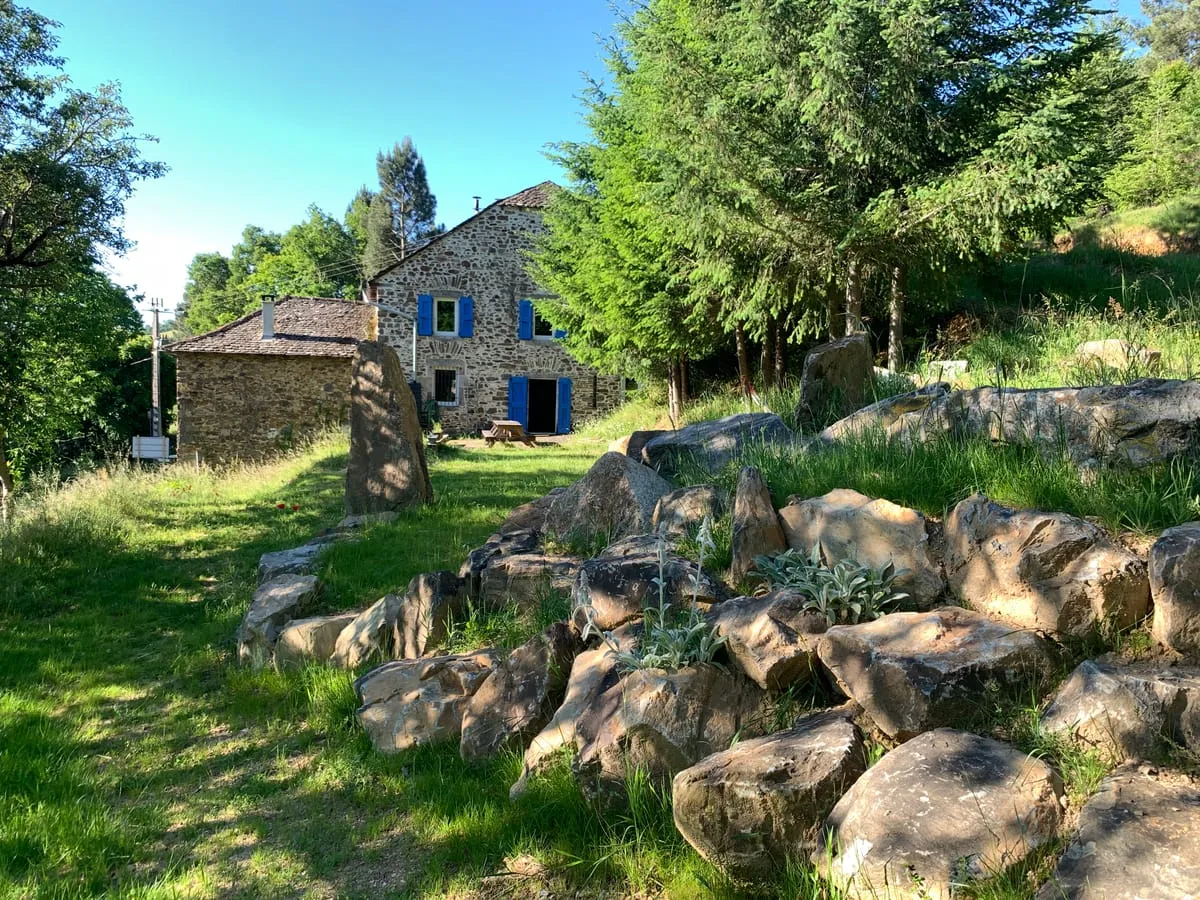
LE TRUEL · AVEYRON · N°968
La Buscatière
3 rooms · Table d'hôtes
Dans une grande et chaleureuse maison de campagne, située au calme entre lacs et rivière, je propose à la location : deux chambres d'hôtes (de 3 à 5 couchages) ou bien tout l'étage si vous venez en petit groupe jusqu'à
- Table d'hôtes
From
€35/night
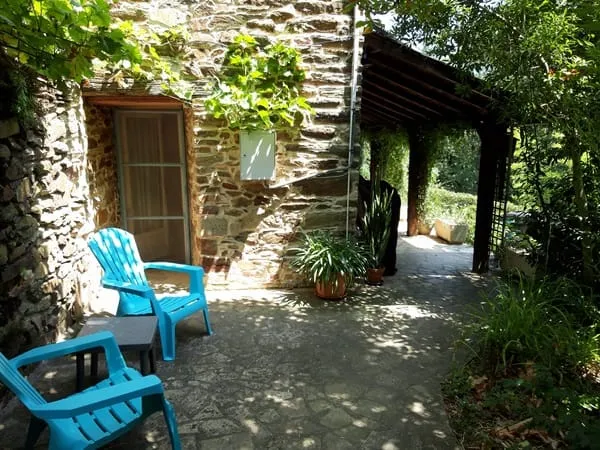
LE TRUEL · AVEYRON · N°502
Le Jardin de Baldine
1 room · Table d'hôtes
Havre de paix situé sur le GR736 en Aveyron. Baldine et Frédéric vous accueillent dans un cadre verdoyant et reposant. Vous pourrez profiter d'une visite guidée du jardin familial en cheminant sur un sentier semé
- Table d'hôtes
5.0(1)
€61/night
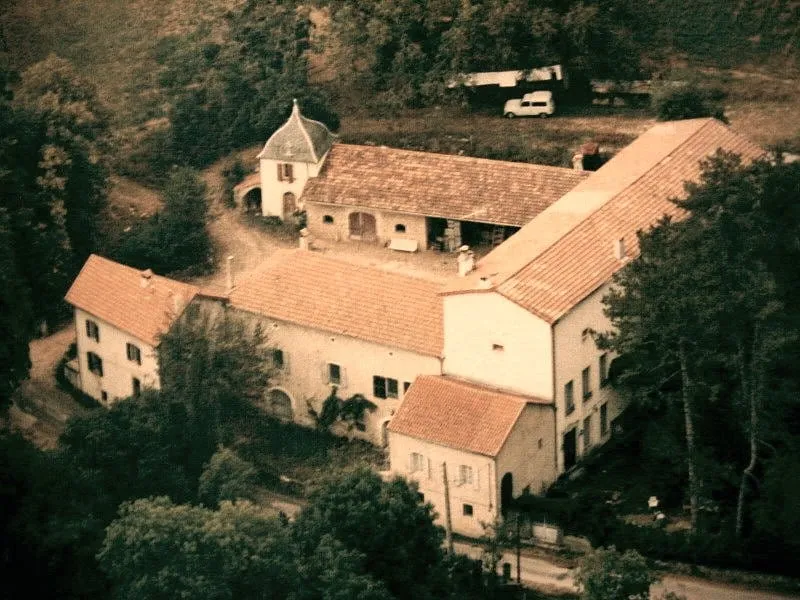
NANT · AVEYRON · N°445
Le Camarat
3 rooms · Table d'hôtes
A 3 kms du village de Nant , justement nommé le "Jardin de l'Aveyron " et à un jet de pierre du GR71, Tour du Larzac , Isabelle vous accueille au Camarat, ancienne ferme retaurée, nichée au coeur de la verdoyante vallée
- Table d'hôtes
4.7(40)
€65/night
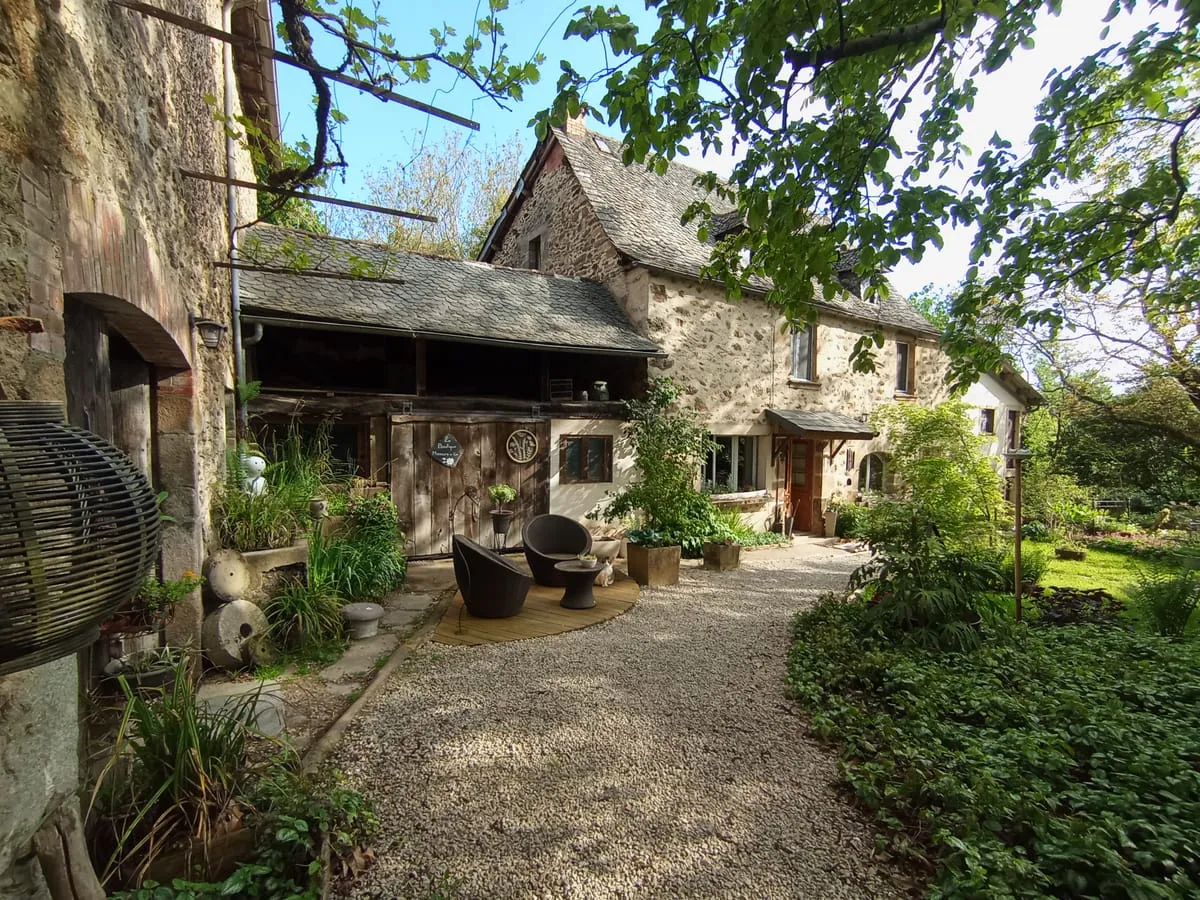
LE BAS SÉGALA · AVEYRON · N°413
La Ferme Les Mamours
2 rooms · Table d'hôtes
La Bastide l'Evêque au Pays des Cents Vallées au cœur du Ségala dans la nature Aveyronnaise. C'est ici, dans ce lieu magique que nous avons redonné vie à cette ferme construite en 1849. Perdue au milieu de ses vergers
- Table d'hôtes
4.9(66)
€70/night
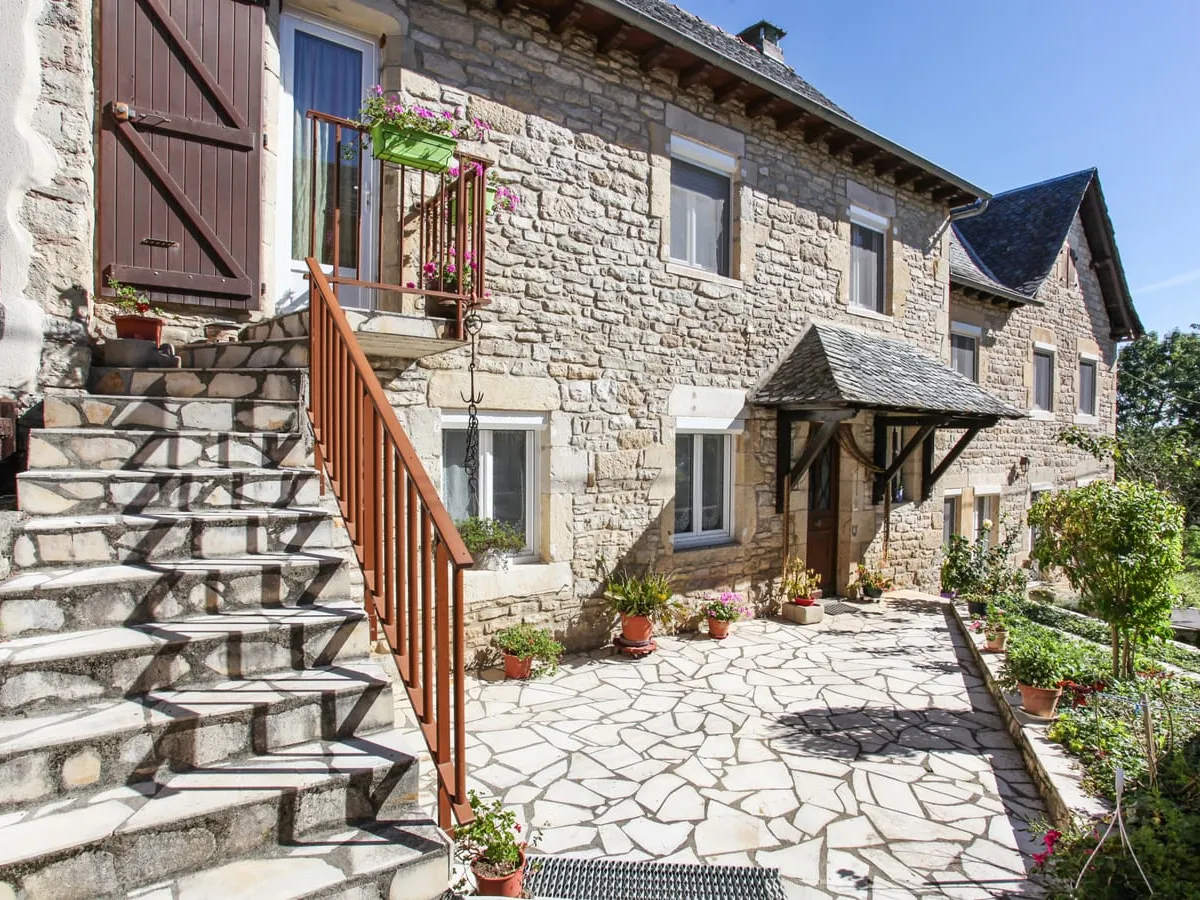
PALMAS D'AVEYRON · AVEYRON · N°287
Les hauts de Maymac
1 room · Table d'hôtes
Notre chambre d'hôte familiale, composée de 2 chambres côte à côte, l'une avec un lit en 160 et l'autre avec 2 lits en 90, est idéale pour une famille où pour 2 couples (que vous soyez 1 - 2 ou 4, jamais vous ne
- Table d'hôtes
4.2(42)
€70/night
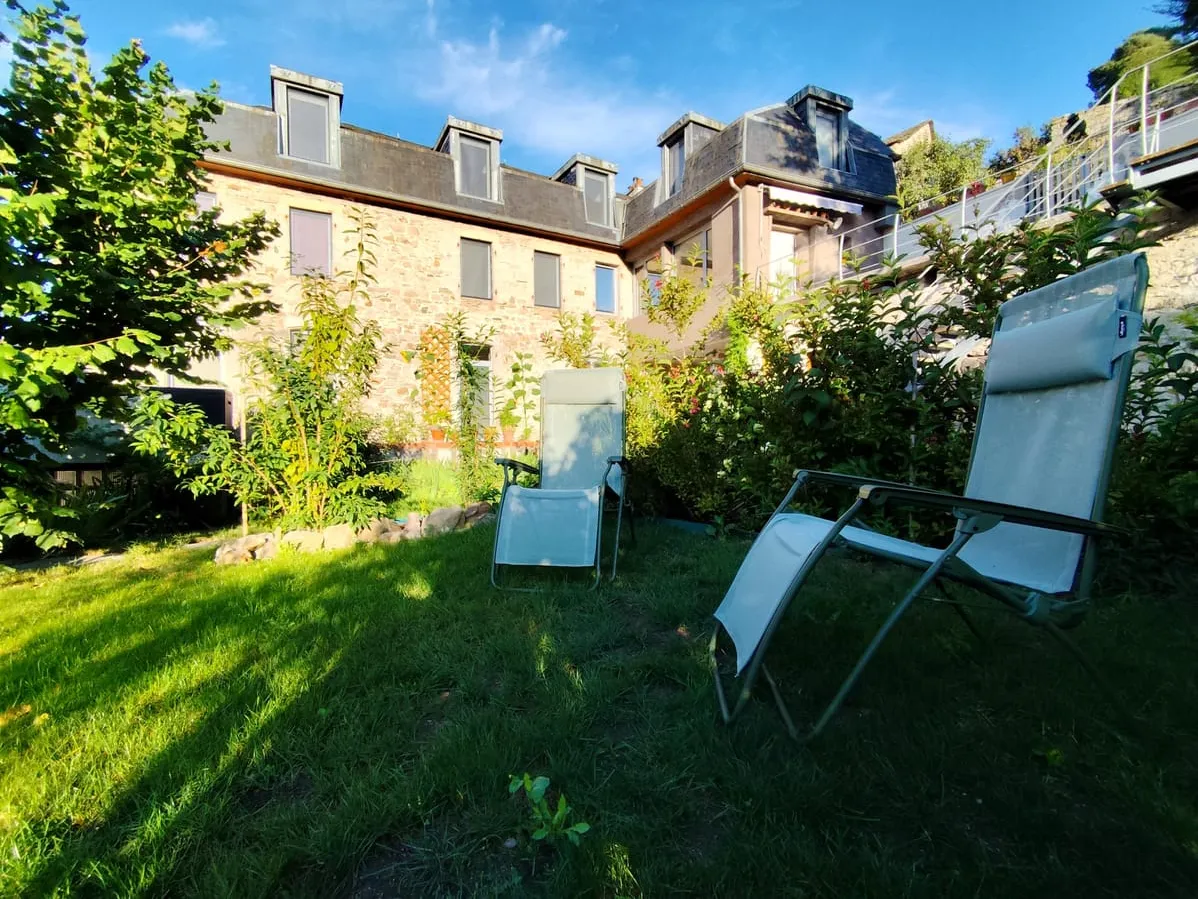
SAINT-LÉONS · AVEYRON · N°272
Le Machaon
4 rooms · Table d'hôtes
**L'endroit idéal pour découvrir l'Aveyron.** Situé à Saint-Léons, sur les contreforts du Lévézou entre le lac de Pareloup et les Gorges du Tarn, de la Jonte et de la Dourbie. Le Machaon c'est une maison d'hôtes dans
- Table d'hôtes
5.0(91)
€75/night
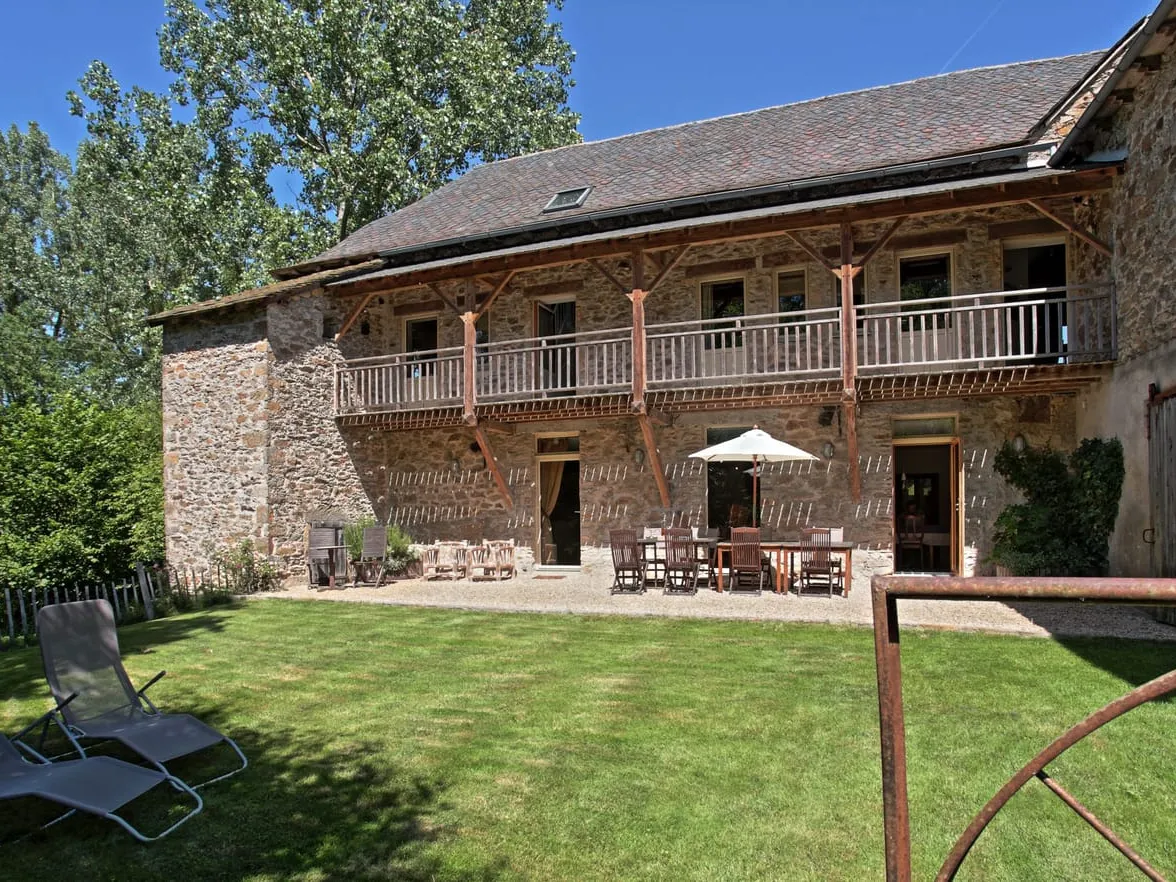
COLOMBIÈS · AVEYRON · N°590
Moulin de Limayrac -Aveyron
4 rooms · Table d'hôtes
Notre maison d’hôtes accueillent des groupes de 6 à 14 personnes dans la grange rénovée du moulin dans 4 chambres. L'ancien moulin est un gîte indépendant pour 4 personnes avec pisccine privée pour le gite (2 chambres).
- Table d'hôtes
4.8(51)
€80/night
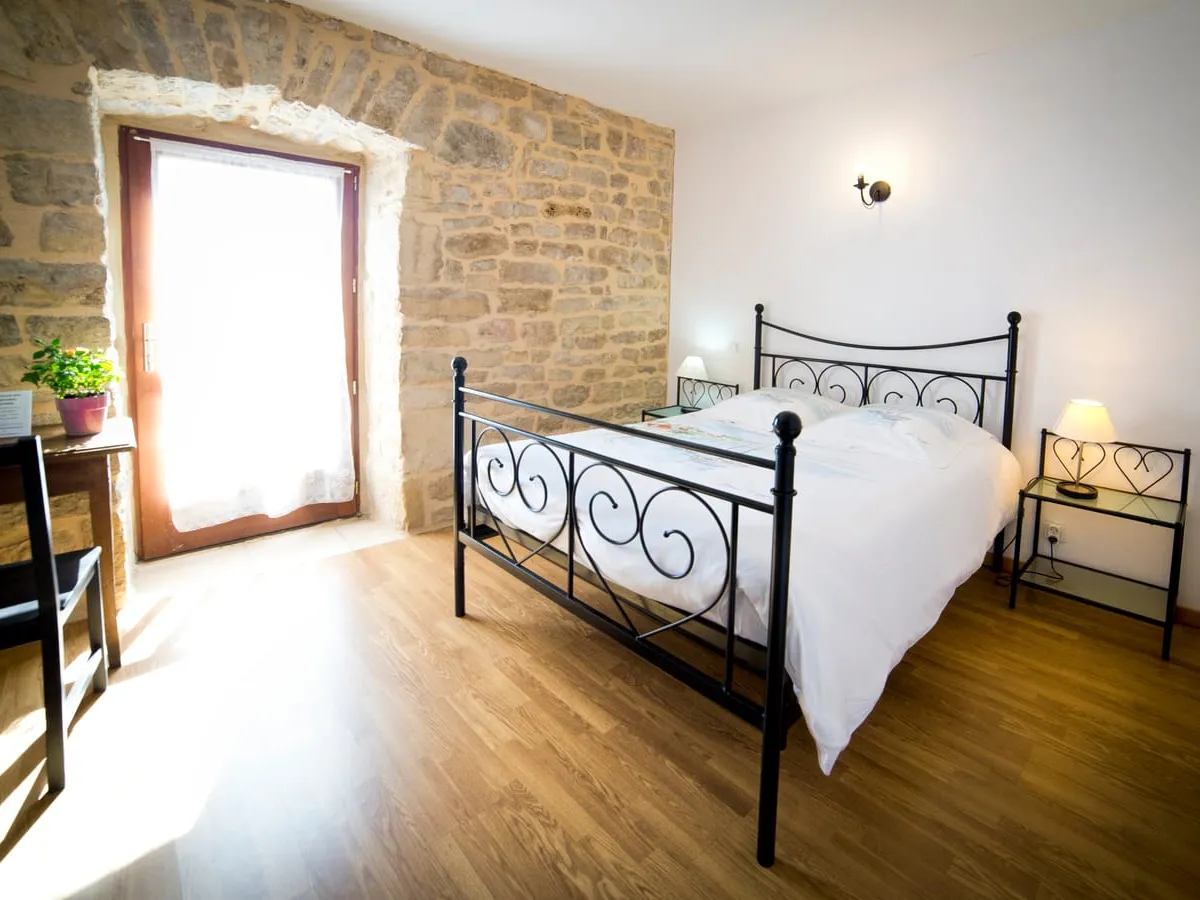
SÉVÉRAC D'AVEYRON · AVEYRON · N°131
Entre Dolmens et Fontaines
5 rooms · Table d'hôtes
Entre Dolmens et Fontaines est un établissement de chambre d'hôtes situé dans la campagne aveyronnaise, à Sévérac-d'Aveyron. Ce lieu offre une expérience unique avec ses cinq chambres spacieuses et confortables,
- Table d'hôtes
4.7(218)
€80/night
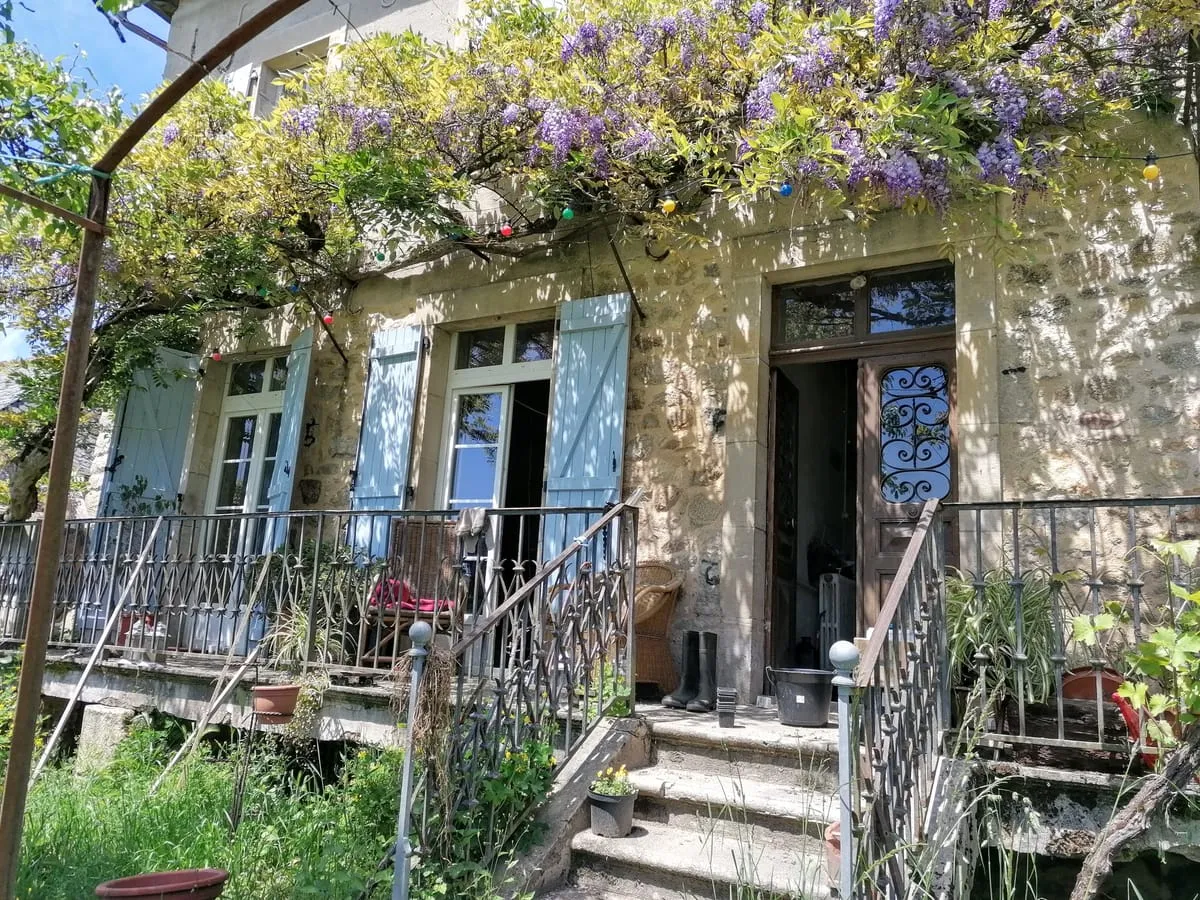
LE BAS SÉGALA · AVEYRON · N°318
Le Temps Serein
2 rooms · Table d'hôtes
Le Temps Serein se trouve dans l'ouest de l'Aveyron dans le paysage bucolique du Ségala, le pays de 100 vallées. Vous restez dans la ferme du 18-ième, on a rénové notre chambre d'hôte dans la tradition : les murs en
- Table d'hôtes
4.9(39)
€80/night
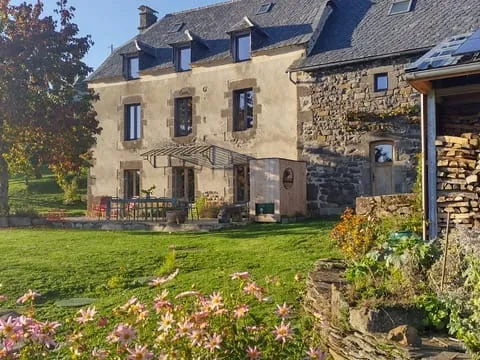
THÉRONDELS · AVEYRON · N°589
Basalture - Chambres et table d'hôtes
3 rooms · Table d'hôtes
Welcome to our bed and breakfast in northern Aveyron. Our renovated home is located between the Auvergne Volcanoes Regional Nature Park and the Aubrac Regional Nature Park. It’s the perfect place to spend a few
- Table d'hôtes
5.0(29)
€137/night
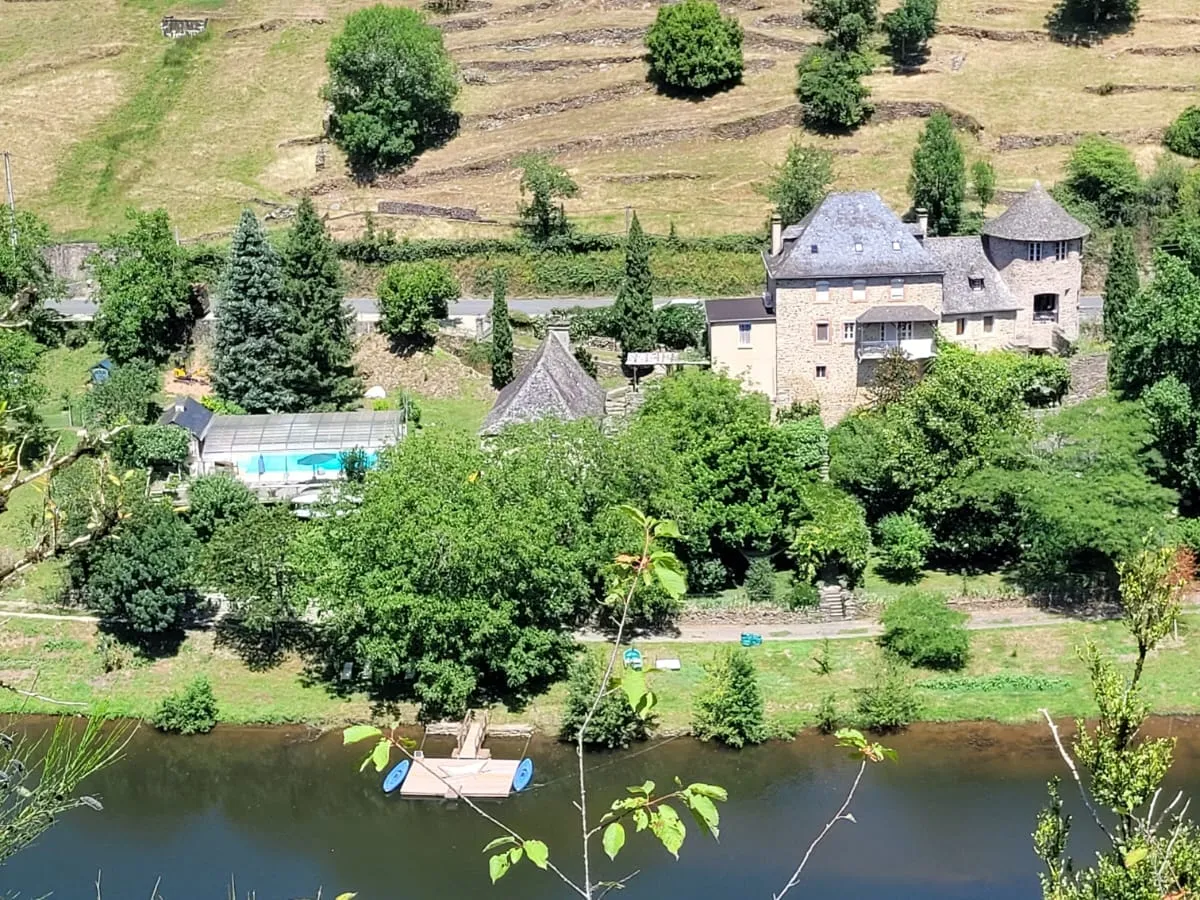
CONQUES-EN-ROUERGUE · AVEYRON · N°502
Le Manoir des Pélies
1 room · Table d'hôtes
Pendant quelques années, nous avons pas mal voyagé à travers le monde. Nous avons décidé de changer de vie et de venir nous installer en Aveyron, dans la Vallée du Lot, à côté du magnifique village médiéval de Conques.
- Table d'hôtes
- Pool
From
€145/night
See also in Aveyron
Same filter in other departments
Bed & breakfasts with table d'hôtes in Aveyron: aligot, fouace and Rouergue terroir
Table d'hôtes, the natural extension of a stay in Aveyron
In Aveyron, table d'hôtes is more than a meal served in a shared dining room. It is a moment of transmission. Hosts tell you about the village, the neighbour who makes cheese, the recipe their grandmother used on Sunday. Aveyron remains a farming department where a large share of operations are still small family farms: many hosts personally know the producers who supply their kitchen.
On the plate, this translates into a strong seasonal rhythm. In winter, stews of black pork sit next to stuffed cabbage and soupe au fromage. In spring, Saint-Affrique asparagus and the first Marcillac strawberries appear. Summer brings peasant salads with cured meats and fresh tome. Autumn highlights mushrooms foraged on the Larzac plateau and home-made confits.
The dishes you will most likely encounter
Three dishes recur on almost every table d'hôtes menu in Aveyron:
- Aligot: mashed potato beaten with fresh Laguiole tome cheese and stretched with a wooden spatula. It takes a strong arm. The gesture of pulling a ribbon of aligot two metres above the pot has become a small show in itself.
- Tripoux: parcels of veal tripe slow-cooked in white wine. Typical of northern Aveyron, often served at breakfast in farm inns, more rarely in the evening.
- Fouace de Rodez: an orange-blossom scented brioche, usually served at dessert with a fruit salad or as a snack with a glass of Marcillac wine.
Depending on the sub-region, you may also find Roquefort AOP, dry sausage from Naucelle, Ségala farmhouse lamb and Aubrac plateau cheeses.
Where to stay for the richest food experience
The department is split into several micro-terroirs, each shaping a different plate:
- Around Laguiole and the Aubrac plateau: the country of aligot, traditional knives and fresh tome cheese. Bed & breakfasts are often set in restored burons (stone shepherd huts).
- Around Conques: the historical core of Rouergue, meatier cuisine, pilgrimage influence from the Camino. A good fit for mixing a spiritual stop with a well-set table.
- Around Millau and the Larzac plateau: Roquefort, local lamb, wild herbs of the causse. With the viaduct often visible from the terrace as a bonus.
- Around Marcillac-Vallon: the only AOP vineyard in the department, red wines from the mansois (fer servadou) grape. Ideal if you want to pair table d'hôtes with wine tasting.
Nearby: what to see during your stay
Aveyron packs a remarkable density of heritage into a rural territory. Three worthwhile detours to add to a table d'hôtes stay:
- The village of Conques, listed among the most beautiful villages in France, with its Sainte-Foy abbey church, a major stop on the Santiago de Compostela route and its stained-glass windows by Pierre Soulages.
- The Millau viaduct, the tallest cable-stayed bridge in the world (343 m at its highest point), visible from the Larzac viewpoint — and often from the terrace of bed & breakfasts on the plateau.
- The Roquefort-sur-Soulzon cheese caves, where you finally understand why this blue cheese is inseparable from the damp crevices of the Combalou rock.
Practical: how it actually works
Table d'hôtes almost always runs on booking. Hosts cook in precise quantities, so letting them know 24 to 48 hours before arrival is the rule. Meals are usually served at a fixed time, at a single table shared with other travellers and, sometimes, the hosts themselves.
Prices in Aveyron remain reasonable — usually between 25 € and 40 € per meal, with wine included or charged by the pitcher. The menu is rarely à la carte: the host offers what was cooked that day, full stop. This is part of the spirit of table d'hôtes: you eat what the house prepared, and conversation flows around it.
Finally, flagging dietary restrictions when you book makes everything easier. Aveyron cooking is meat-heavy by tradition; hosts are happy to adapt to vegetarian, gluten-free or allergy-related needs as long as they are informed in time.
Tasting local cuisine in Aveyron
Holicosy lists 11 properties offering table d'hôtes in Aveyron, notably around Le Truel, Le Bas Ségala, Nant.
Where can I enjoy table d'hôtes in Aveyron?
Tables d'hôtes in Aveyron are mainly found in: Le Truel (2), Le Bas Ségala (2), Nant (1). Meals are booked directly with the host, usually the day before.
How much does a property with table d'hôtes cost in Aveyron?
Nightly rates range from 35€ to 145€, with an average of 82€. The shared meal is usually priced separately.
Book your gourmet stay
Search to find the property and meal that match your expectations.
Our guides on this topic

Table d'hôtes : le repas du soir chez l'habitant, comment ça marche ?
La table d'hôtes, c'est un repas du soir préparé par votre hôte avec des produits du terroir, partagé à la table familiale. Menu unique, convivialité et saveurs locales : on vous explique tout.
Dormir en chambre d'hôtes en Provence : le guide complet
Lavande, villages perchés, marchés provençaux et cigales : les plus beaux séjours en chambre d'hôtes en Provence. Luberon, Alpilles, Verdon — itinéraires et bonnes adresses.
Chambres d'hôtes en Dordogne : truffe, bastides et nature
Le Périgord réunit falaises dorées, villages médiévaux, grottes préhistoriques et art de vivre gastronomique. Séjourner en chambre d'hôtes en Dordogne, c'est entrer dans une France profonde et généreuse, loin du tourisme de masse.