Cyclist-friendly properties in Pyrénées-Atlantiques
4 cyclist-friendly properties
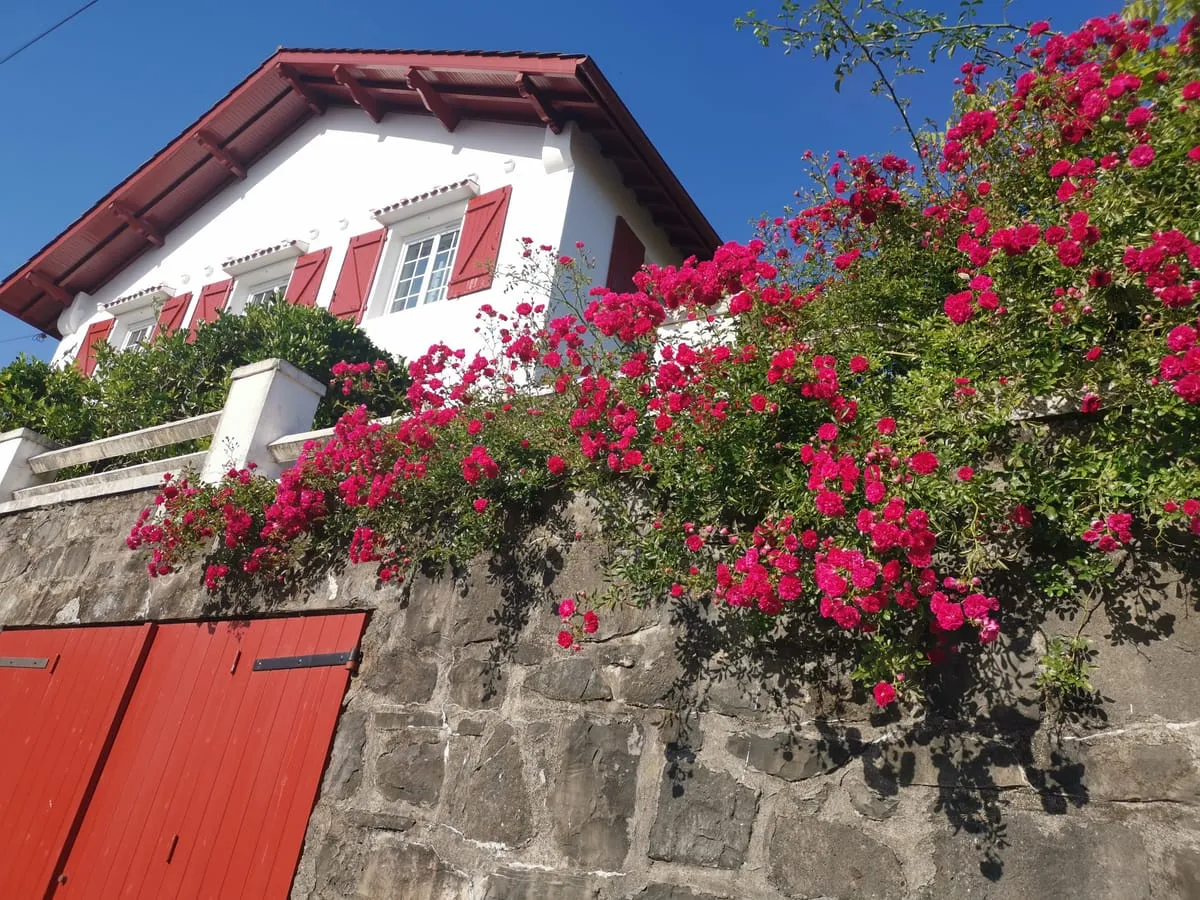
HENDAYE · PYRÉNÉES-ATLANTIQUES · N°569
Chambres d'hôtes "Hor Dago"
4 rooms
Nos chambres d’hôtes sont très jolies, avec la vue magnifique sur le jardin, le fleuve Bidassoa et l’Espagne, le massif de montagnes Les Trois Couronnes ou Aiako Harria, ou Peñas de Haya en espagnol. La maison est
4.7(103)
€65/night
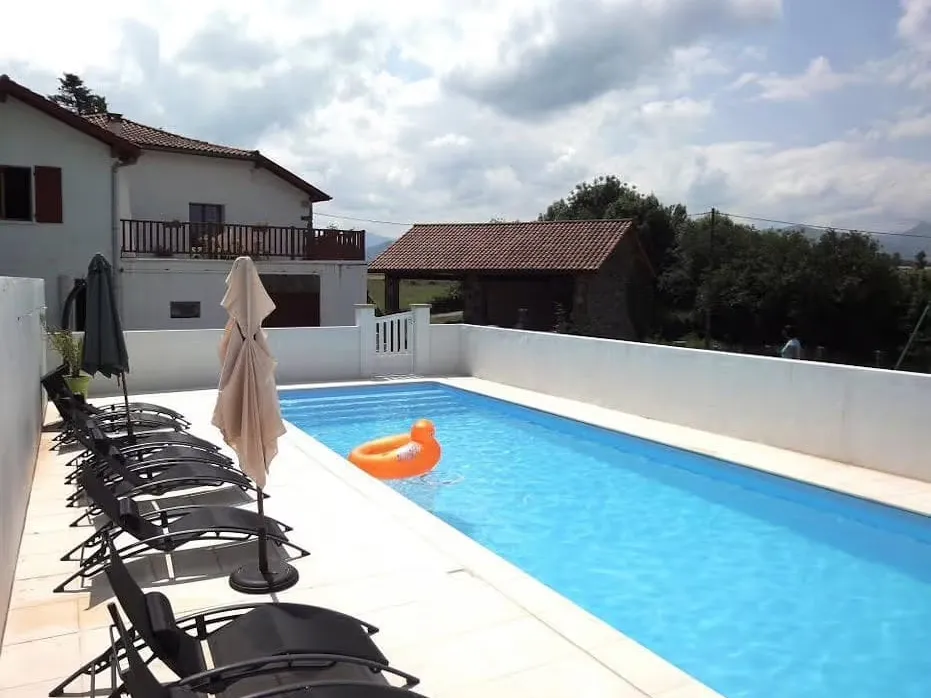
SAINT-JEAN-LE-VIEUX · PYRÉNÉES-ATLANTIQUES · N°891
ZUBIATIA
4 rooms
aux portes de Saint-Jean-Pied-de-Port, la maison. Vous accueille dans un environnement calme et authentique, situé dans un quartier paisible à proximité d’un ruisseau et sur une exploitation agricole. Encore en activité
4.8(156)
€65/night
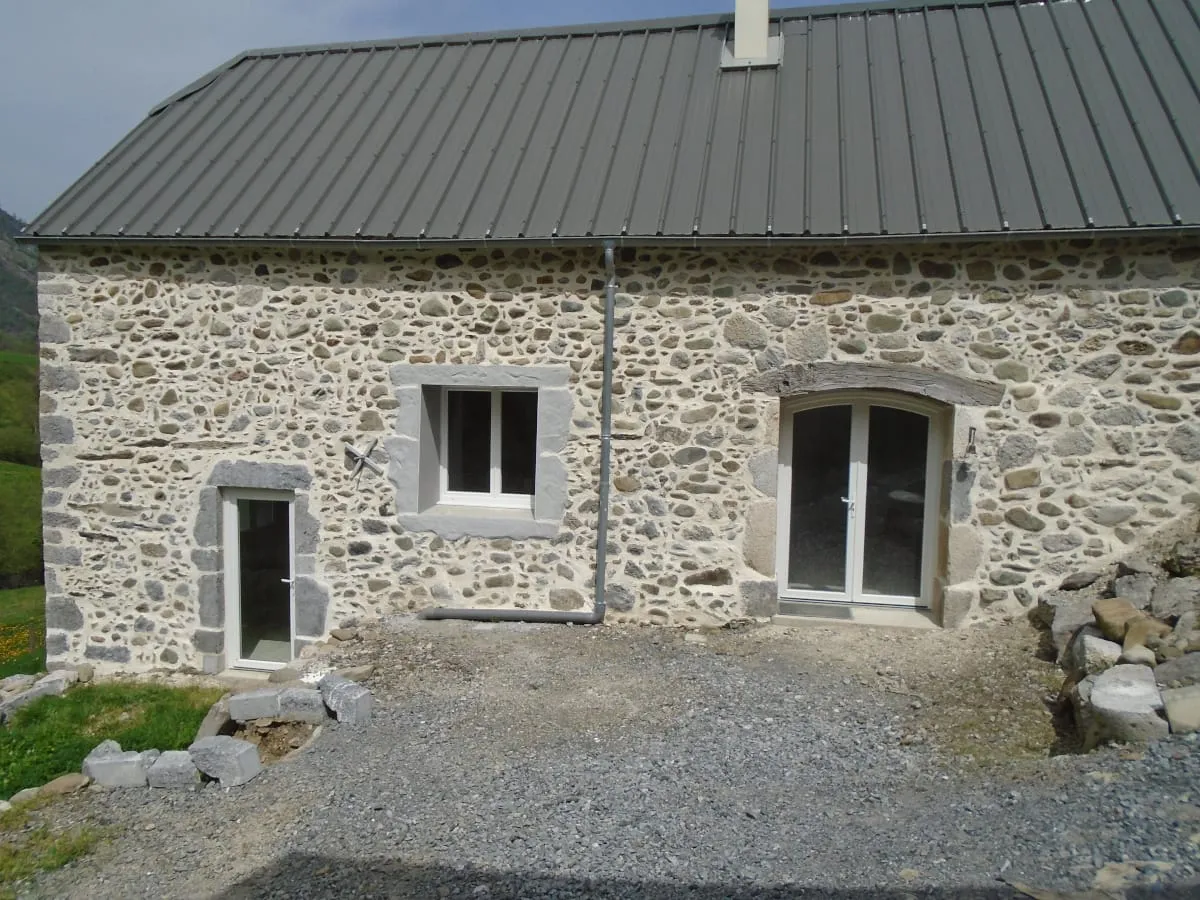
LOURDIOS-ICHÈRE · PYRÉNÉES-ATLANTIQUES · N°201
Grange béarnaise rénovée
1 room
Ancienne grange béarnaise fraîchement rénovée (finition avril 2018). Meublé tourisme classé 2 étoiles, agrément depuis 2018. À Lourdios-Ichère, en moyenne altitude (450 m), située dans un écrin de montagnes, au calme,
From
€90/night
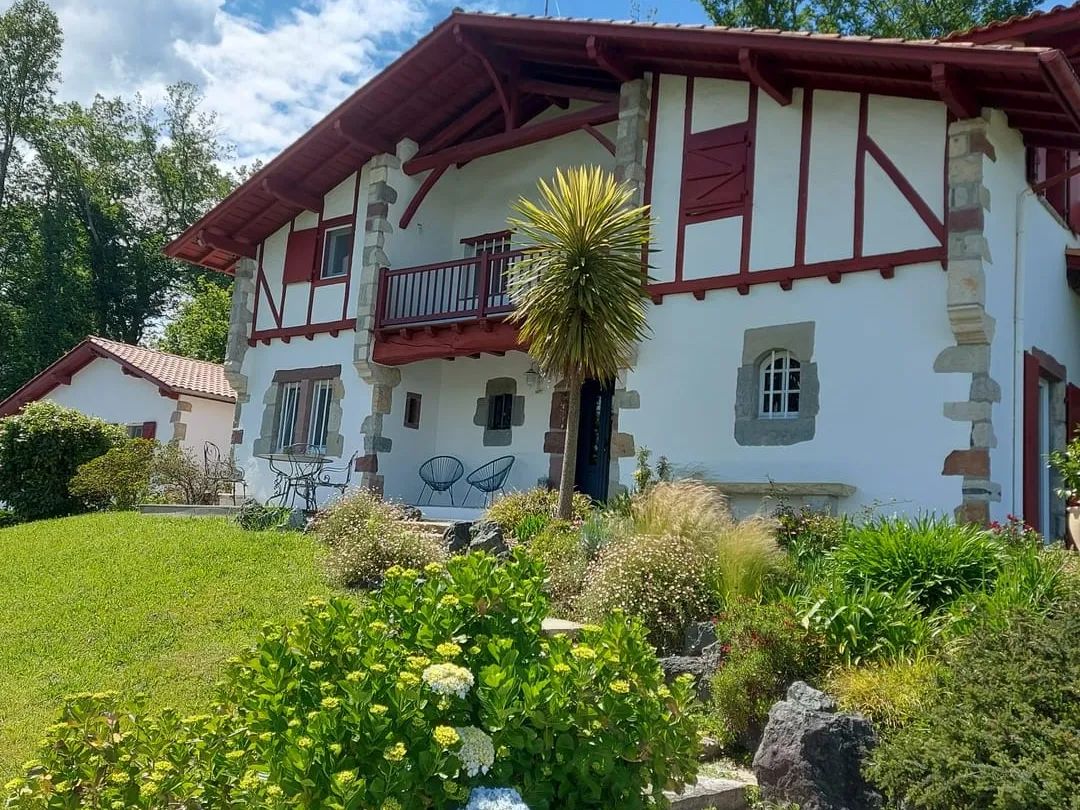
ESPELETTE · PYRÉNÉES-ATLANTIQUES · N°619
Villa Xaran Erdian
2 rooms
We welcome you to Espelette, a region where life is good and traditions are cherished. Our traditional house will charm you with its comfort and its location in a rural, idyllic setting. Nature is ever-present
4.9(67)
On request
See also in Pyrénées-Atlantiques
Same filter in other departments
Cyclist-friendly bed & breakfasts in Pyrénées-Atlantiques: Aubisque, Basque Country and coast
A department built for cycling
Pyrénées-Atlantiques is one of the few French departments to combine three radically different cycling terrains: the high mythic Pyrenean passes made famous by the Tour de France, the rolling green roads of the inland Basque Country, and the flat Basque coast from Bayonne to Hendaye. For a cycle tourist, this means being able to dial the day's intensity up or down depending on form, weather or mood, without moving base.
Cycling culture is deeply rooted here. Bayonne, Pau and Hasparren see thousands of independent cyclists pass through each summer. Roads are well signposted and drivers are used to Sunday-morning pelotons.
Mythic Béarn passes
Three climbs form the sacred triangle for cyclists in Béarn:
- Col d'Aubisque from Laruns: 16.5 km at 7.2% average, with the famous "cirque du Litor" in the final kilometres. Breathtaking scenery, often misty.
- Col du Soulor, frequently chained with the Aubisque from Argelès-Gazost.
- Col de Marie-Blanque, shorter (9.3 km) but with a brutal 13% final three kilometres. One of the most technical passes in south-west France.
Around these classics sit Col d'Ichère, Col de la Hourcère and several valley roads (Ossau valley, Aspe valley) that allow gentler days without giving up the landscape.
The inland Basque Country, a rolling playground
To the west of the department, the Basque Country offers a very different world: soft but relentless hills, narrow roads, villages with half-timbered houses. Climbs are shorter but come in quick succession. Some classics:
- La Rhune (905 m) and its approach roads from Sare or Ascain
- Col d'Osquich, a historical link between Lower Navarre and Soule
- Loops around Espelette, Ainhoa and Saint-Jean-Pied-de-Port, all listed among the most beautiful villages in France
Road surfaces are generally excellent and dedicated cycle signage is expanding. Hasparren, Cambo-les-Bains and Saint-Étienne-de-Baïgorry all make solid base camps.
The coast: Bayonne, Biarritz and Hendaye
For recovery days or cyclists who prefer flat routes, the Basque coast offers about 30 kilometres of greenway and panoramic roads. La Vélodyssée (EuroVelo 1) crosses the department, with stages in Bayonne, Biarritz, Saint-Jean-de-Luz and Hendaye. Perfect for a family day or a warm-up before a big climb.
Nearby: what deserves a detour
A cycling stay here does not lend itself to tunnel-mode training. A few cultural and culinary stops are worth adding:
- Bayonne, with its Vauban ramparts, covered market and chocolate — the city was the first place chocolate was produced in France, back in the 17th century.
- Pau, the royal city of Henry IV, whose Boulevard des Pyrénées offers a full panorama of the range on clear days.
- Saint-Jean-Pied-de-Port, French starting point of the Camino de Santiago, a fortified historical town.
- Tasting stops for Espelette pepper, Bayonne ham and Ossau-Iraty sheep cheese AOP.
On the host side: what to check
Cyclist-friendly bed & breakfasts in Pyrénées-Atlantiques typically offer secure bike storage, an outlet for e-bike charging and sometimes a water point for cleaning. Some hosts also provide:
- Luggage transfer between stages
- Custom route advice adapted to your level
- Start or finish in Bayonne, Pau or Oloron-Sainte-Marie (reachable by train with a bike)
In high season (June to September), it is wise to book several weeks ahead, especially around the Tour de France dates. The mythic climbs feature regularly on the race programme and draw crowds of amateur cyclists.
Cycle touring in Pyrénées-Atlantiques
Holicosy lists 4 properties geared for cyclists in Pyrénées-Atlantiques, notably around Hendaye, Saint-Jean-le-Vieux, Lourdios-Ichère.
Where can I find a cycling stopover in Pyrénées-Atlantiques?
Cycling stopovers in Pyrénées-Atlantiques are found in: Hendaye (1), Saint-Jean-le-Vieux (1), Lourdios-Ichère (1). Let the host know the number of bikes and their type (e-bike, road, MTB) when booking.
How much does a cycling stopover cost in Pyrénées-Atlantiques?
Rates range from 65€ to 90€ per night. The average price is 73€.
Plan your cycling tour
Use the search to chain stopovers along your cycling route.
Our guides on this topic

Tourisme slow : redécouvrir la France en chambre d'hôtes
Le slow tourisme explose en France : voyager moins vite, plus près, plus profond. Pourquoi la chambre d'hôtes est l'hébergement naturel du voyage lent, et où le vivre.
Dormir en chambre d'hôtes en Provence : le guide complet
Lavande, villages perchés, marchés provençaux et cigales : les plus beaux séjours en chambre d'hôtes en Provence. Luberon, Alpilles, Verdon — itinéraires et bonnes adresses.
Chambres d'hôtes en bord de mer : nos sélections par région
Bretagne, Normandie, Côte d'Azur, Atlantique, Méditerranée : les chambres d'hôtes en bord de mer existent dans toutes les régions côtières. Notre guide pour choisir la bonne destination selon votre ambiance.